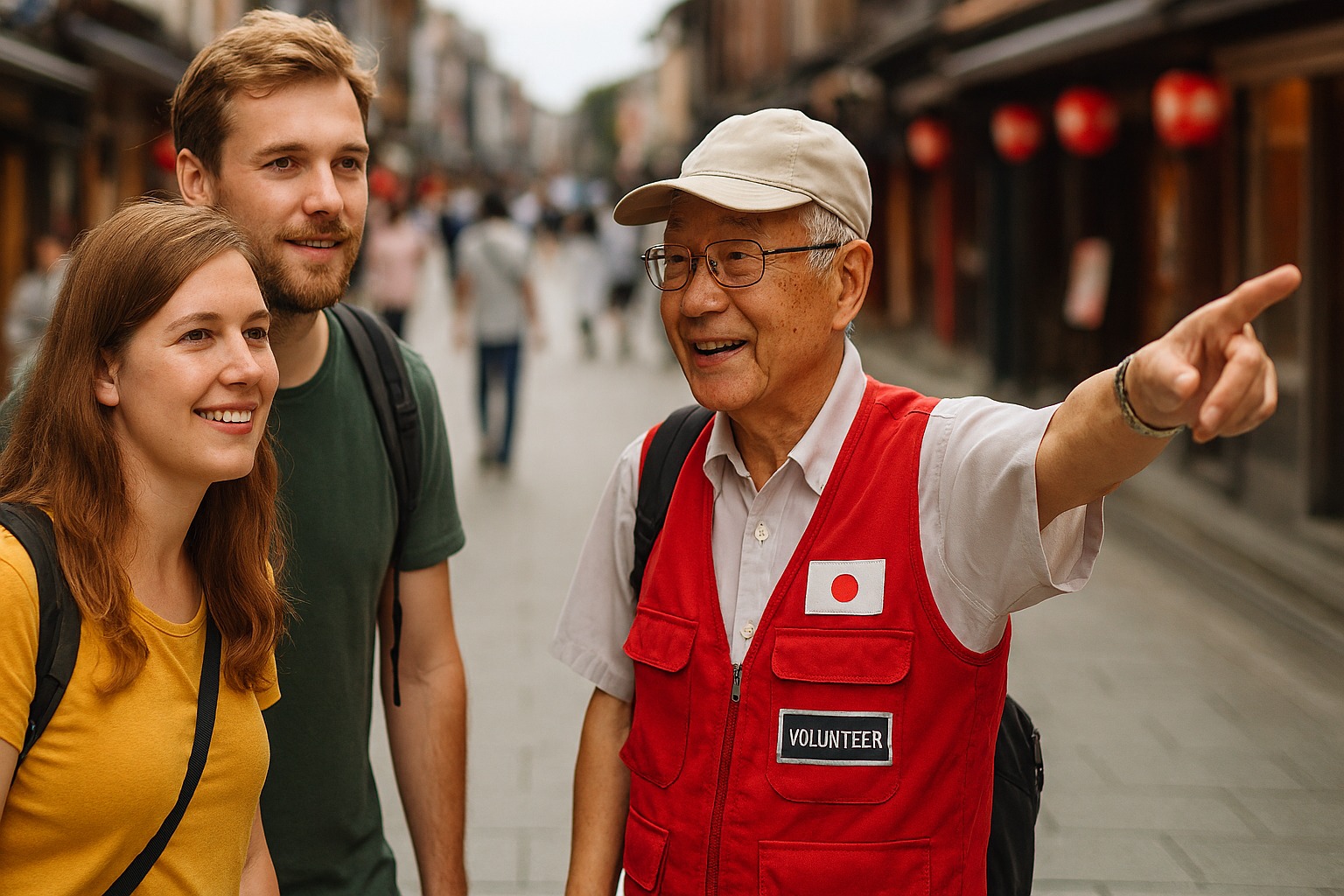
Japan’s Volunteer Grandparents: The Retirees Quietly Guiding Millions of Tourists
March 27, 2026 8:17 pm Leave your thoughtsIn Japan, travelers often discover that help arrives before they even realize they need it.
At a Kyoto train station or near a Tokyo temple, an elderly local may pause, approach with a gentle smile, and offer assistance in careful English. Some point visitors toward the right platform. Others spend an entire afternoon guiding strangers through side streets and shrines they’ve known all their lives.
Most are not professional guides. They are retirees – and they are part of a volunteer tradition unlike any other.
A Guiding Network Unique to Japan
Across the country, tens of thousands of volunteers – many well into their 60s, 70s, and 80s – participate in groups known collectively as Systematized Goodwill Guides, a program supported by the Japan National Tourism Organization.
Their services are free. Travelers pay only their own transportation or entry fees.
What sets the system apart is its deeply personal nature: these are not scripted tours delivered by trained performers. Visitors may be led by a former engineer, a retired teacher, a civil servant, or a longtime office worker who simply enjoys meeting people from abroad. Each guide chooses what to show, often favoring local anecdotes and everyday cultural insights over famous attractions.
It’s tourism rooted in community – a reflection of Japan’s belief that hospitality is a shared social responsibility, not just an industry.
A New Kind of Retirement in an Aging Nation
With nearly a third of its population over 65, Japan is one of the world’s oldest societies. As traditional notions of retirement evolve, many older Japanese seek ways to remain active and socially connected. Volunteer guiding offers that sense of purpose.
The practice aligns with ikigai, a Japanese concept often described as one’s reason for living – a blend of purpose, joy, and usefulness. By escorting visitors through their hometowns, retirees stay mentally sharp, practice foreign languages, and maintain daily social interaction. Researchers frequently link these factors to better physical and emotional well‑being among seniors.
Local governments and tourism offices quietly support these programs, recognizing them as both community engagement and a form of citizen‑driven cultural diplomacy.
Tourism as Conversation, Not Performance
Spend a morning with one of these guides and the line between tourism and cultural exchange quickly blurs.
A retired salaryman might demonstrate how to bow at a Shinto shrine.
A former schoolteacher may lead guests to her favorite neighborhood café.
Others introduce seasonal festivals, local traditions, or hidden backstreets overlooked by conventional tours.
Visitors often describe these encounters as the most memorable part of their trip – not because of the sights themselves, but because of the warmth and generosity of the people who showed them.
The Spirit of Omotenashi
At the heart of this phenomenon is omotenashi, a Japanese philosophy of hospitality that emphasizes anticipating others’ needs without expectation of recognition or reward.
Volunteer guides embody that ideal. Many insist they benefit as much as the visitors: from the conversations, curiosity, and connection to a world beyond Japan’s shores.
It is hospitality not as a service, but as a gesture of genuine human interest.
A Gentle Form of Diplomacy
As Japan welcomes growing numbers of international tourists, these volunteers have become unofficial ambassadors. Each small interaction – helping a traveler decipher a subway map or explaining the etiquette at a shrine – serves as a moment of grassroots diplomacy.
In a country known globally for cutting‑edge technology, one of its most effective tourism strategies remains remarkably human. For these retirees, retirement isn’t a withdrawal from society. It’s a second chapter – dedicated to welcoming the world.
Tags: japanThis post was written by rado