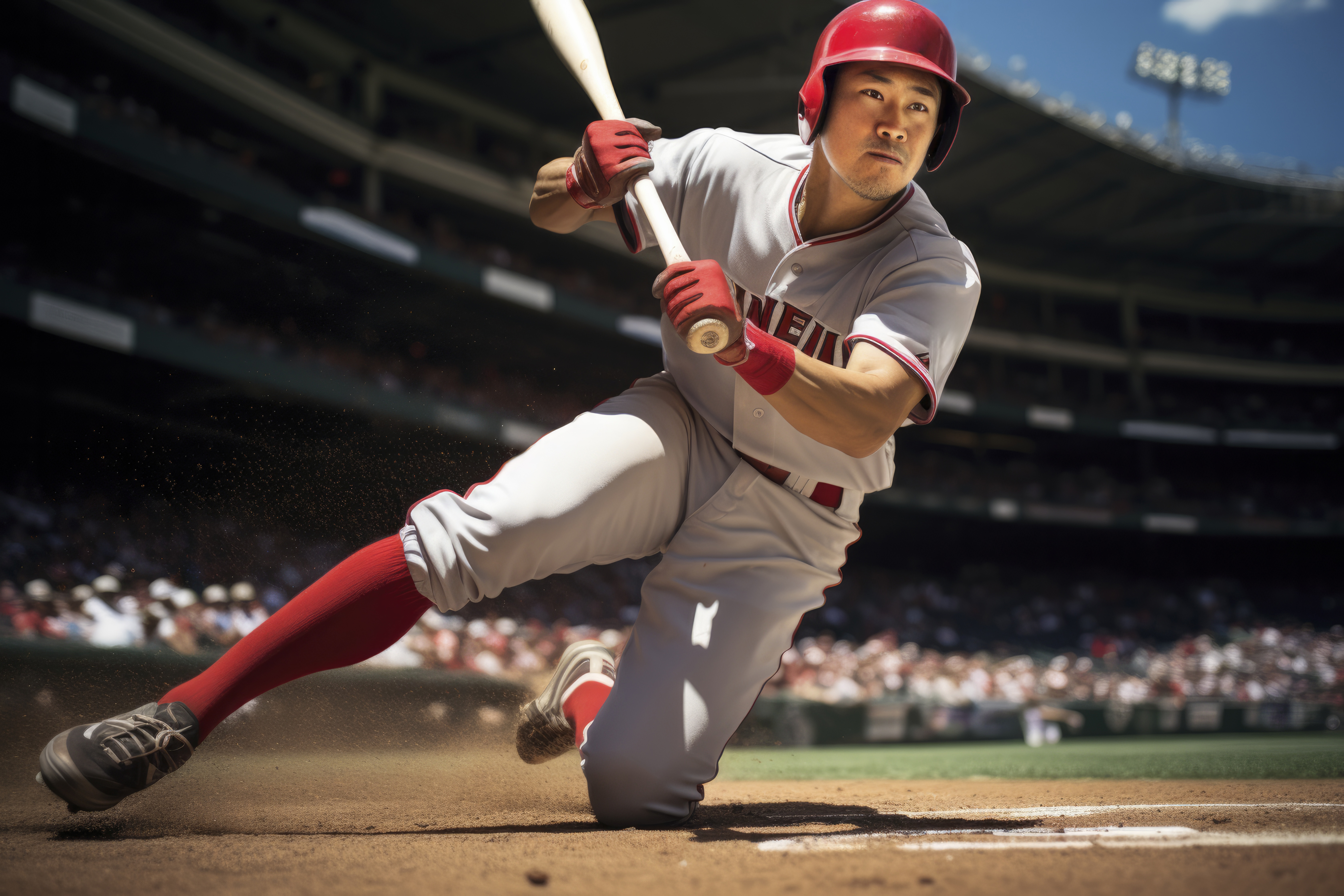
What Baseball Reveals About Japan: The Same Game, Two Civilizations
March 31, 2026 5:36 pm Leave your thoughtsA Foreign Game Arrives at the Right Moment
Baseball is not originally Japanese. It arrived from America in the nineteenth century, carrying foreign rules, foreign language, and foreign ideas. Yet few cultural imports have been absorbed so completely into Japanese society. Today, baseball in Japan feels less like an adopted sport and more like a mirror reflecting how the country understands discipline, education, community, and belonging.
The story begins in 1872, when American educator Horace Wilson introduced the game to students in Tokyo during the rapid modernization that followed the Meiji Restoration. Japan was selectively studying the West at the time, importing technologies and institutions while searching for ways to strengthen national identity without losing cultural coherence.
Baseball proved unexpectedly compatible with that project.
Baseball as Education, Not Entertainment
Unlike many Western imports, baseball required no translation of values. The sport rewarded obedience to structure, repetition, patience, and cooperation – qualities already central to Japanese education and social life. Schools embraced baseball not primarily as entertainment but as moral training. Playing well meant learning to endure hardship, respect hierarchy, and subordinate individual desire to collective success.
This educational origin shaped Japanese baseball permanently. Universities such as Waseda University and Keio University turned games into ceremonies of institutional pride. Students did not simply represent themselves; they represented their school, their seniors, and an unbroken chain of tradition. Victory mattered, but dignity mattered more.
The Emotional Center: High School Baseball
Nowhere is this philosophy clearer than in Japan’s most watched baseball event, the National High School Baseball Championship, known simply as Koshien. Each summer, teenagers compete before a national audience that treats their effort with extraordinary seriousness. Players bow to the field before games. Losing teams sometimes gather a handful of stadium dirt to take home, preserving the memory of participation rather than the result.
To outsiders, it can seem puzzling that high school athletes command emotional attention rivaling professional stars. But Koshien resonates precisely because it represents effort unfiltered by money or celebrity. It embodies a deeply Japanese admiration for perseverance – the quiet dignity of doing one’s best regardless of outcome.
The Professional Game as Social Institution
Professional baseball later developed into Nippon Professional Baseball, yet even at the highest level the sport retained its educational tone. Practices are famously long. Repetition is valued as much as talent. Coaches often speak about character before performance. The field becomes an extension of the classroom and, by extension, of the workplace.
In this sense, Japanese baseball resembles Japanese corporate culture more than American professional sport. Players arrive early, train collectively, and internalize responsibility toward teammates. Individual brilliance exists, but it is expected to remain modest, almost understated. Success is meaningful only when harmonized with the group.
Individual Achievement and Collective Harmony
The contrast with the United States is revealing. American baseball grew alongside ideals of personal achievement and frontier individualism. Statistics celebrate singular excellence; legends are defined by personal records. Japanese baseball, by comparison, feels less concerned with heroes and more with coordination – the satisfaction of many people performing their roles precisely.
Even spectators participate differently. Japanese stadium crowds move together, singing organized chants and supporting players through collective rhythm. The experience resembles a festival or community gathering rather than passive observation. Watching the game becomes an act of belonging.
When Baseball Became a Cultural Bridge
When Japanese players eventually crossed into American leagues, the cultural exchange became visible. Pitcher Hideo Nomo surprised audiences in the 1990s, followed by Ichiro Suzuki, whose disciplined style challenged assumptions about how baseball should be played. Today, Shohei Ohtani stands as a symbol of a fully globalized game, combining Japanese training philosophy with American spectacle.
These athletes did more than succeed abroad. They revealed that baseball had evolved into two legitimate cultural expressions sharing one rulebook.
More Than a Sport
The deeper significance lies beyond international success. Baseball endures in Japan because it aligns with broader cultural instincts: respect for process, reverence for effort, and the belief that mastery comes from persistence rather than talent alone.
The United States created baseball as leisure. Japan transformed it into a social language.
Through baseball, one can glimpse how Japanese society balances individuality with harmony, competition with humility, and ambition with restraint. The rules may be American, but the meaning the game carries – the quiet seriousness with which it is played and watched – is unmistakably Japanese.
This post was written by rado